Insights
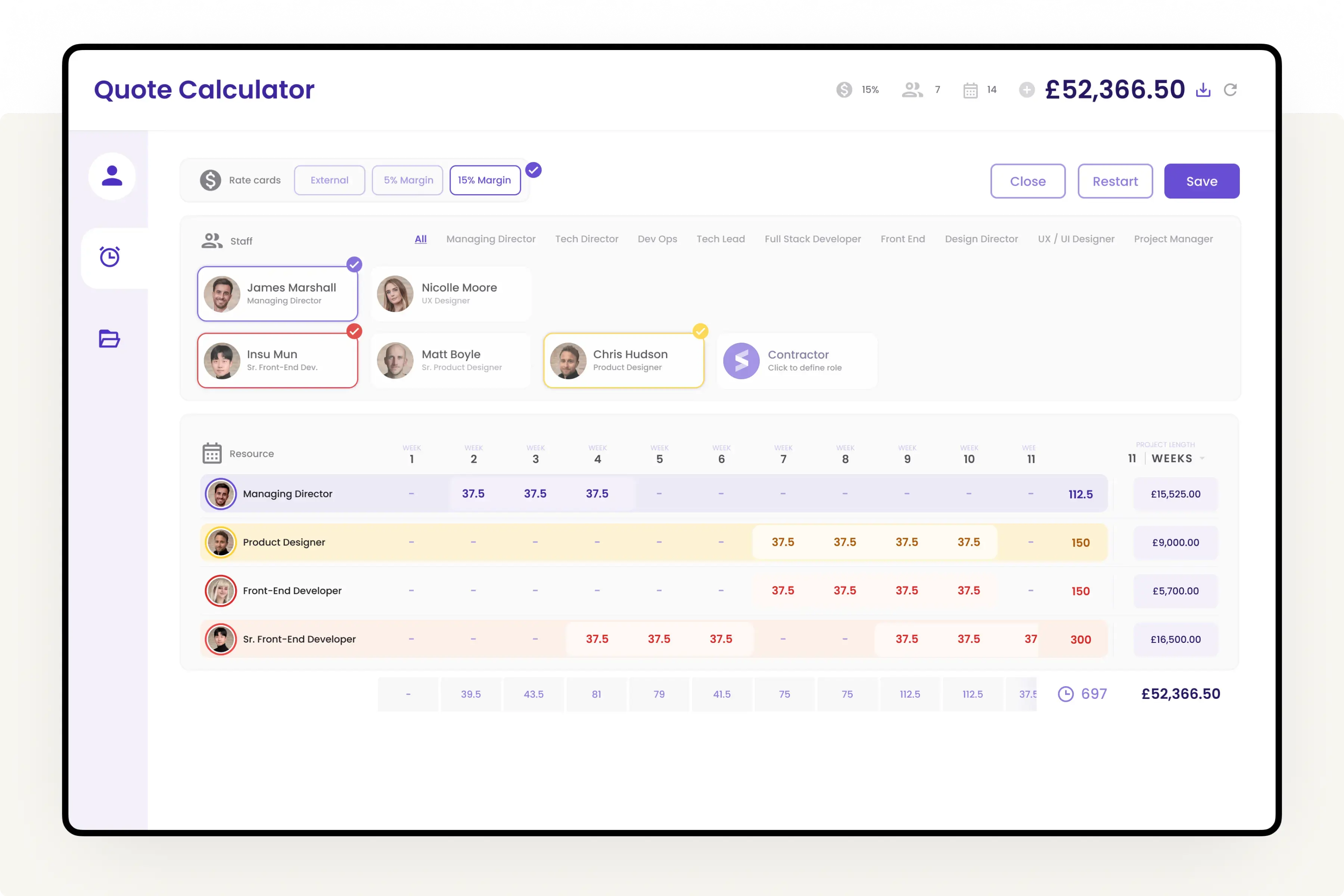
An internal tool we built to manage the logistics of our own growing agency.
The UK SaaS market for manufacturing and logistics is booming. Logistics alone contributes £163–185bn annually to GDP*, and global SaaS is expected to grow from $327bn in 2023 to over $1tn by 2030**. Yet despite this growth, nearly half of manufacturers regret their software purchases, citing complex onboarding, confusing workflows, and outdated interfaces.
At Spinning Fox, we help SaaS providers in this space turn usability challenges into competitive advantages. By combining deep user research, behavioural insights, and UX best practices, we design streamlined, intuitive digital experiences that reduce support burden, accelerate adoption, and strengthen customer retention.
Below are seven key insights we've picked up along the way.
Sources: * Logistics UK ** PayPro Global
Insight #1
Many SaaS tools require long, complex onboarding processes. Customers face jargon–heavy instructions, confusing set–ups, and poor guidance. This delays time–to–value and leads to early frustration, increasing the risk of churn before the software's benefits are realised.
We map the onboarding journey in detail, identifying friction points and moments of confusion. By reimagining flows to reflect how users actually think and work in their day–to–day, we design simpler, guided set–ups that get customers up and running faster.
Clear, intuitive onboarding accelerates ROI for customers and strengthens their confidence in your product. Faster adoption means fewer cancellations and more advocates for your platform, reducing support tickets and improving satisfaction.
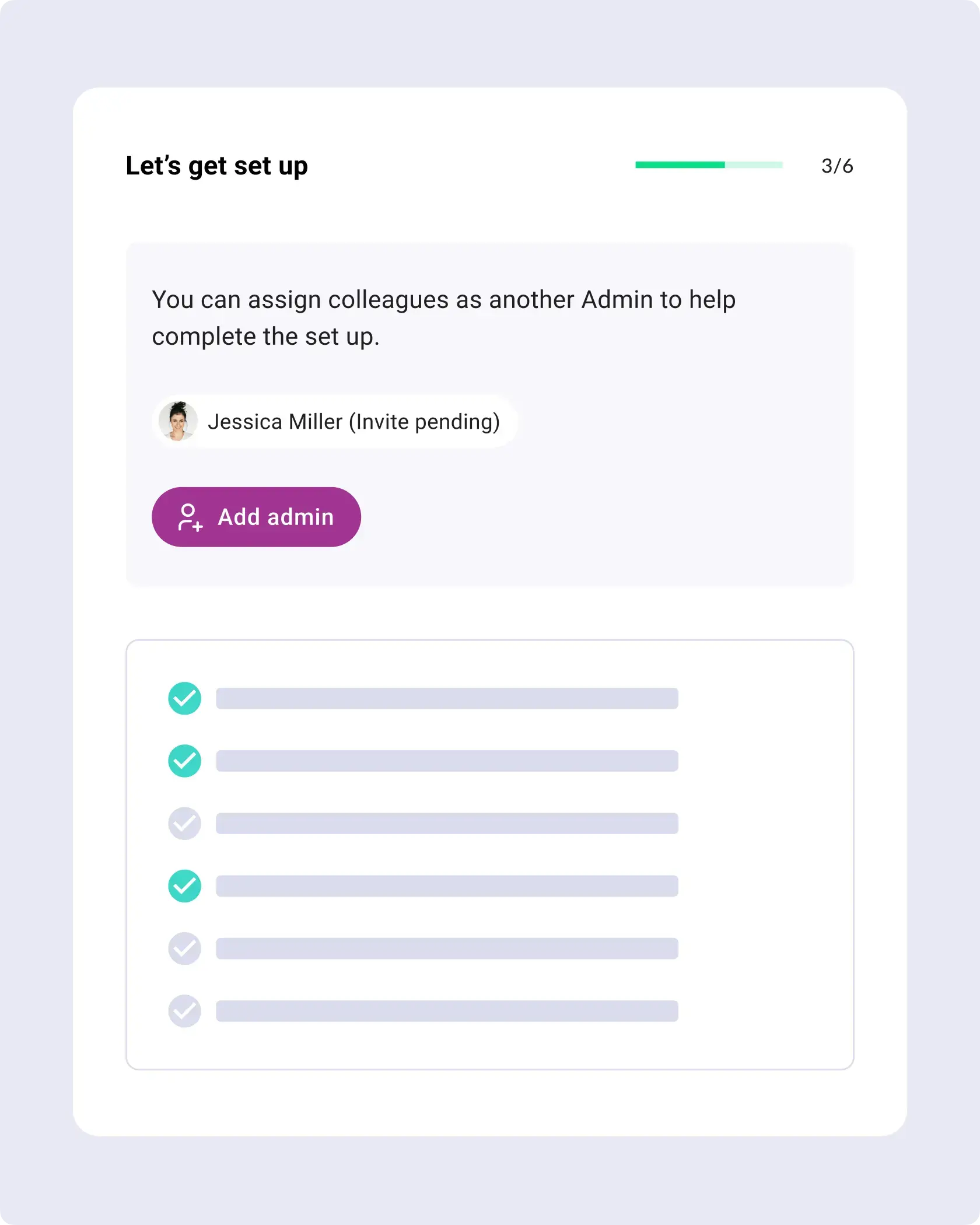
We simplified onboarding for Tapestry and reduced support tickets to zero.
Insight #2
When SaaS workflows are unintuitive, users turn to support. This increases ticket volumes, slows down Customer Success teams, and diverts resources from strategic initiatives. For many B2B SaaS providers, support costs grow disproportionately as they scale.
We identify recurring support queries and trace them back to their UX roots. Then, we design clearer interfaces, inline guidance, and contextual help that reduces the need for support in the first place.
Reducing support volumes saves operational costs, improves user satisfaction, and allows Customer Success teams to focus on driving long–term value rather than troubleshooting.
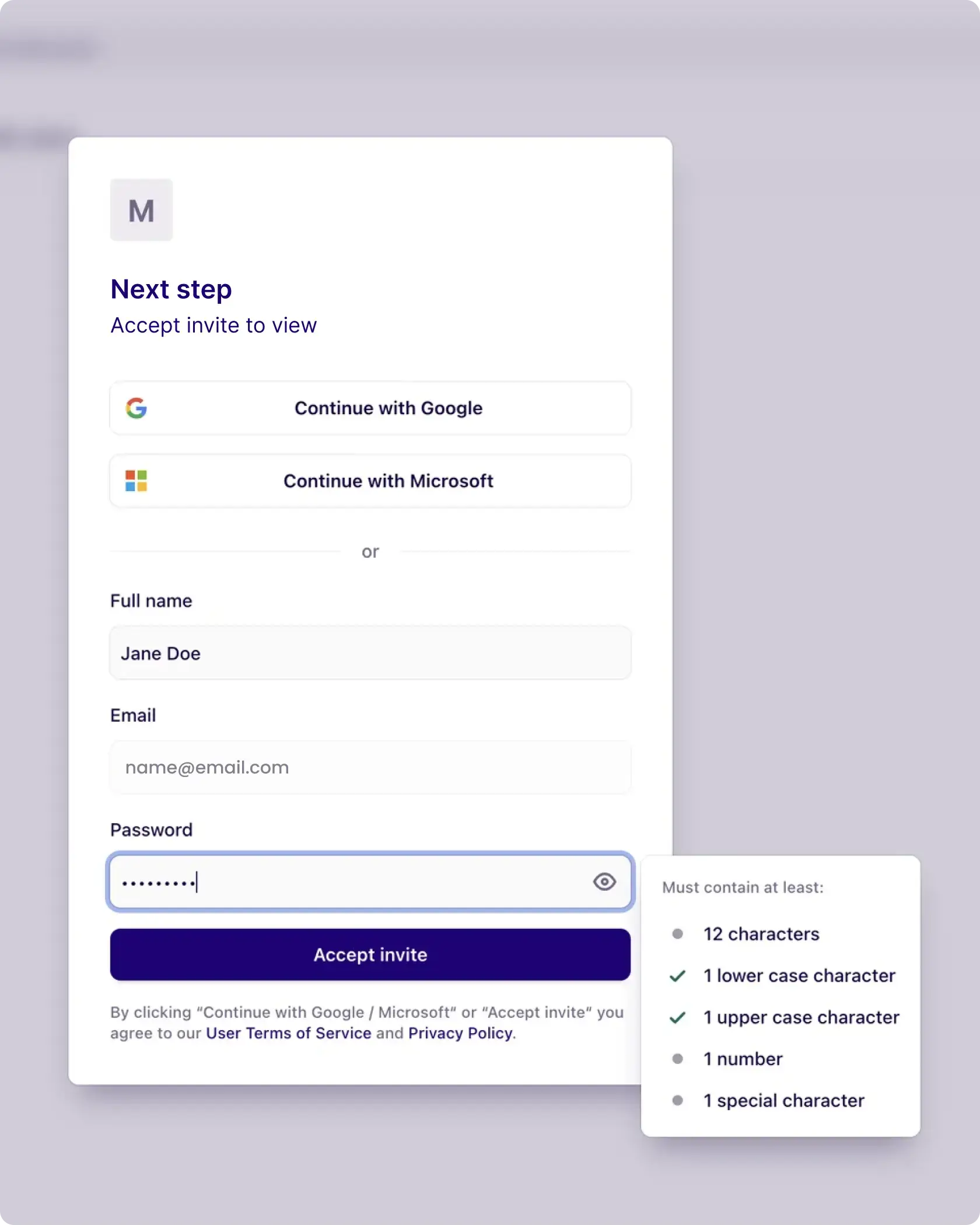
Small UX changes can help users and prevent the need for support.
Insight #3
As customer feedback is addressed over time, more and more functionality gets layered onto the product. While these requests are valuable, the cumulative effect is often a cluttered interface where critical actions are buried and discoverability suffers. Often support guides must be created, and users end up spending more time searching than completing tasks, which erodes efficiency and leads to frustration.
We help product teams manage feature creep by rationalising requests against user needs and business goals. Through research and prioritisation, we ensure only the most valuable features are surfaced, and presented in a way that is easy to find and use.
Simplifying complexity drives productivity and reduces support overheads. Clear, streamlined functionality keeps users focused on achieving their goals, rather than navigating clutter.
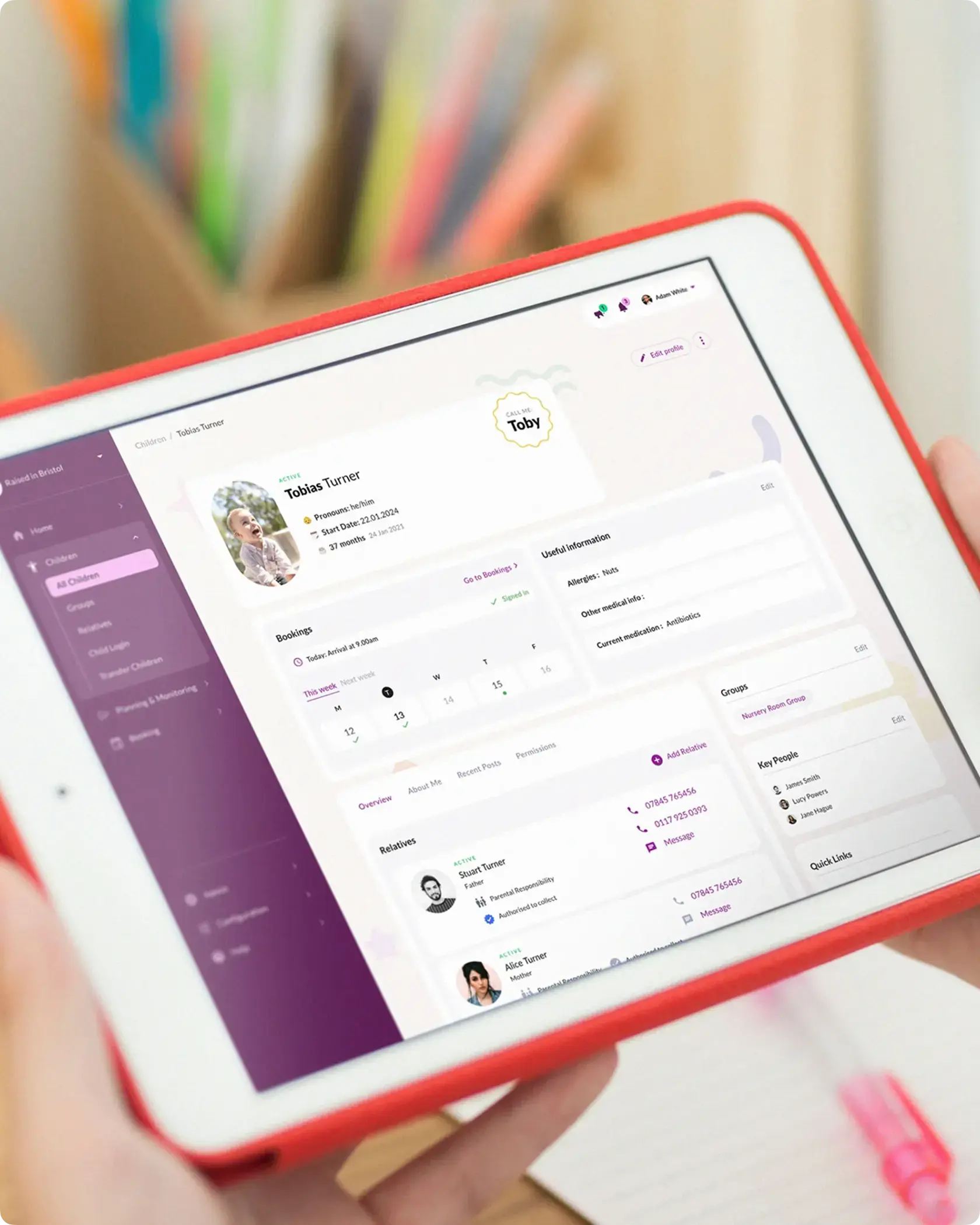
Making data rich UI's simple to understand and use.
Insight #4
Many enterprise tools prioritise functionality over usability. Cluttered dashboards, inconsistent navigation, and dated visual design create cognitive overload for users. This leads to frustration and lowers trust in the product's quality.
We modernise interfaces with a design system approach, ensuring visual consistency, clear information hierarchy, and user flows that align with how operators, planners, and managers actually work.
Modern, intuitive design isn't just aesthetic, it builds confidence, drives adoption, and positions your SaaS product as forward–thinking in a highly competitive market.
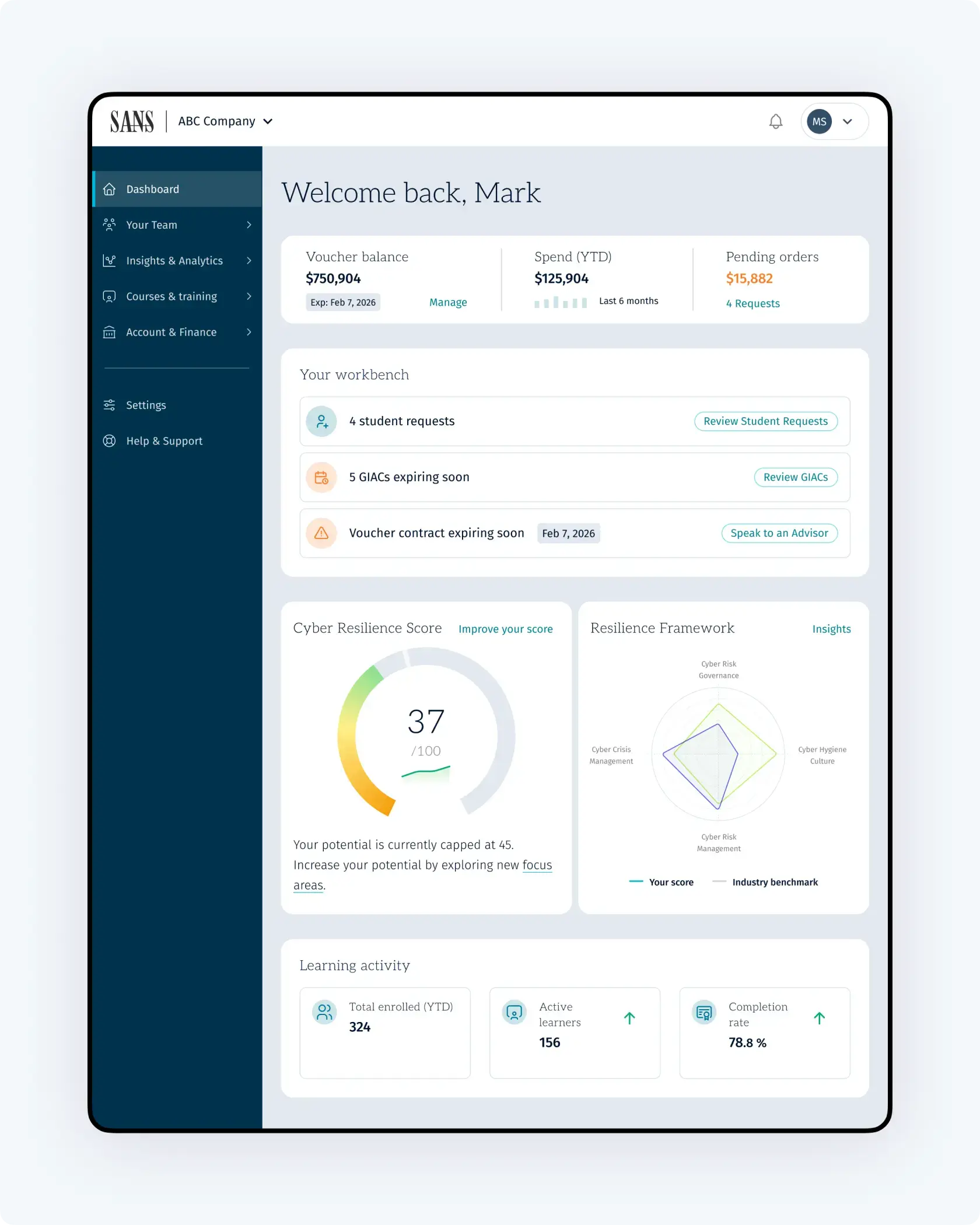
Small UI iterations can make a huge difference to legacy products.
Insight #5
New regulations, such as the Windsor Framework and ICS2, have introduced extra data fields, validation rules, and error states. Poorly designed compliance workflows increase user frustration, create errors, and risk costly delays.
We design guided flows with smart defaults, inline validation, and clear error messaging that teaches rather than blocks. This reduces compliance errors while maintaining user confidence.
When compliance tasks are seamless, users are more likely to stick with your platform, and less likely to seek workarounds or competitors.
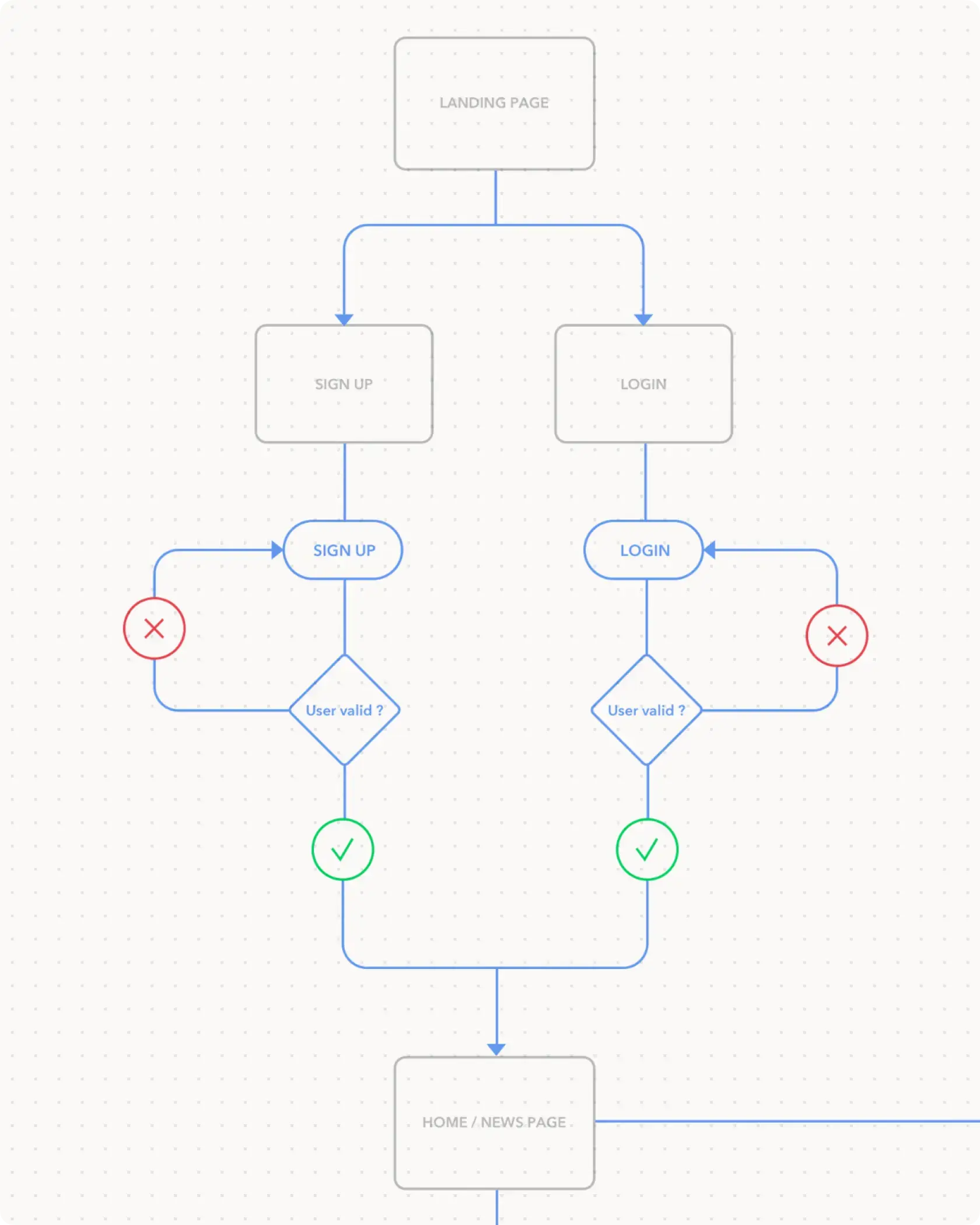
Our UX experts specialise in taming complex workflows.
Insight #6
Manufacturing and logistics platforms generate vast amounts of real–time data. But dashboards that prioritise volume over clarity overwhelm users, making it harder for them to make timely, confident decisions.
We design decision–first UX patterns that surface the right insights at the right time. By using prioritised queues, anomaly triage, and AI summaries and recommendations, we enable users to act rather than interpret.
Clear, actionable interfaces help operators and managers work faster and smarter. This improves productivity, reduces errors, and makes your platform indispensable.
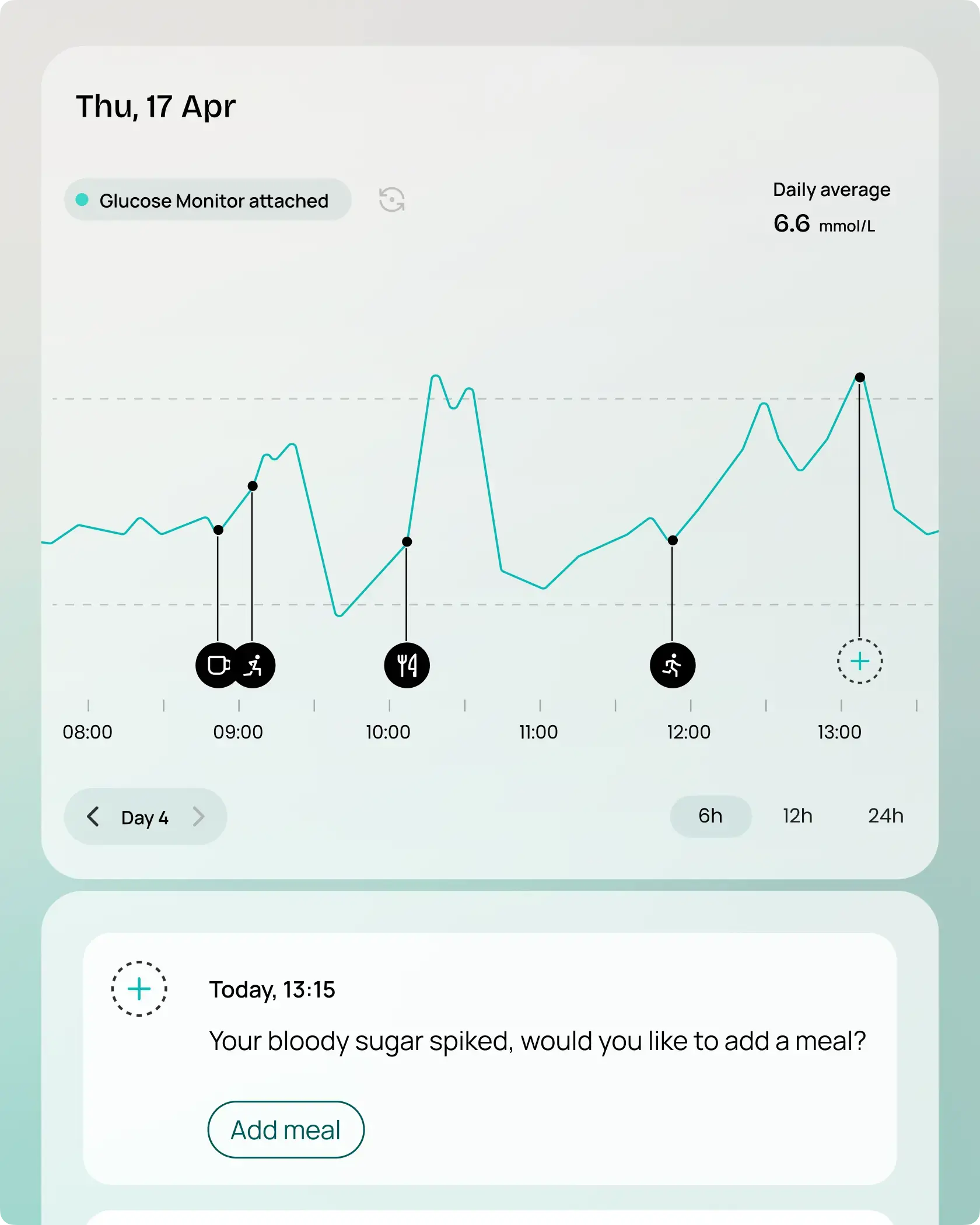
We took complex medical data and made it usable for our client MAP Health.
Insight #7
Mergers and acquisitions are common in this market, but they often leave users navigating inconsistent interfaces, duplicate modules, and confusing permissions. This damages user trust and complicates training.
We rationalise and unify experiences post–M&A by creating one information architecture, one design system, and one permissions model across platforms.
Consistent UX across merged products reduces confusion, accelerates adoption, and strengthens the overall experience, helping companies realise the value of acquisitions faster.
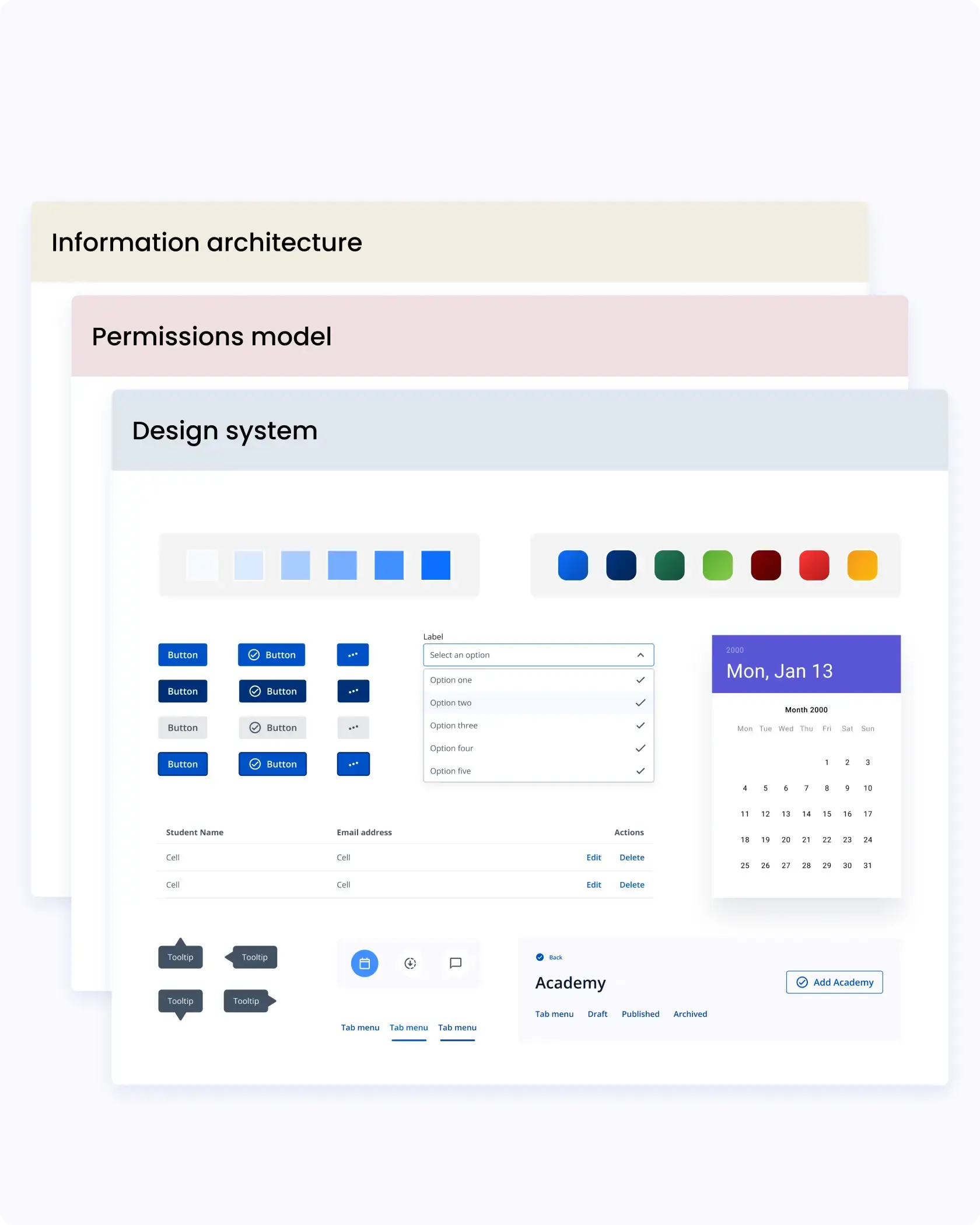
Design systems become a powerful tool post-M&A.
In a rapidly growing but highly competitive market, user experience is no longer optional. It's a key differentiator. Poor onboarding, outdated interfaces, and overwhelming workflows are costing SaaS providers adoption, retention, and revenue.
At Spinning Fox, we help B2B SaaS companies in manufacturing and logistics simplify complexity, reduce support costs, and design experiences that accelerate adoption and retention. The result? Products that customers depend on, driving measurable growth and long–term ROI in one of the most in–demand sectors.
+44 (0) 7862 024 527

"Everyone on the Spinning Fox team is truly dedicated to their craft and passionate about user-centric design. They're an absolute pleasure to work with."
SANS Institute
 © Spinning Fox Ltd
