Insights
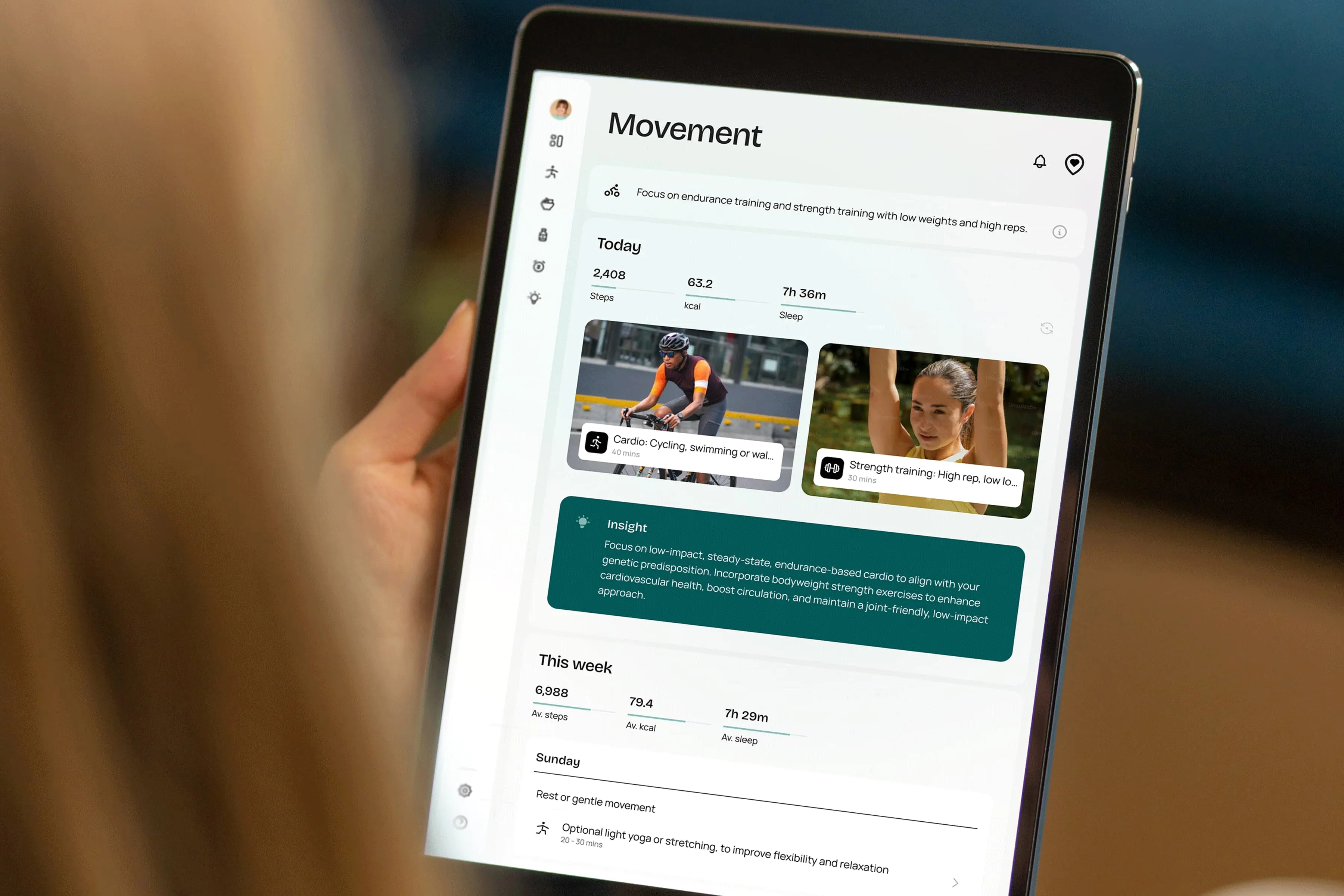
A UI from one of our client projects, an AI-driven platform for MAP Health.
UK university spin-outs secured over £2.6 billion in funding in 2024, nearly 40% more than the previous year*. Yet despite this momentum, many promising spin-outs struggle to convert groundbreaking research into scalable digital products. Early prototypes are often science-led rather than user-led, resulting in confusing interfaces, low adoption, and investor hesitation.
At Spinning Fox, we help research commercialisation teams bridge the gap between academic IP and market-ready digital experiences. By combining deep user research, behavioural insights, and user experience (UX) best practices, we design evidence-based MVPs and early-stage products that prove viability, attract funding, and accelerate adoption.
Below are eight key insights we've picked up along the way.
Sources: * UK Government, May 2025
Insight #1
Academic teams excel at proving the science, but early digital tools are frequently built as technical demos rather than usable products. Complex workflows, inconsistent navigation, and jargon-heavy terminology make it difficult for non-academic stakeholders such as investors, clinicians, or industry partners to see the value.
We work with spin-out founders and innovation managers to map user journeys, identify friction points, and translate technical concepts into clear, intuitive flows. Our prototypes focus on real-world tasks and measurable outcomes, creating an interface investors and end-users can understand from day one.
User-centred MVPs demonstrate market readiness, reducing perceived risk and helping teams secure follow-on funding faster.
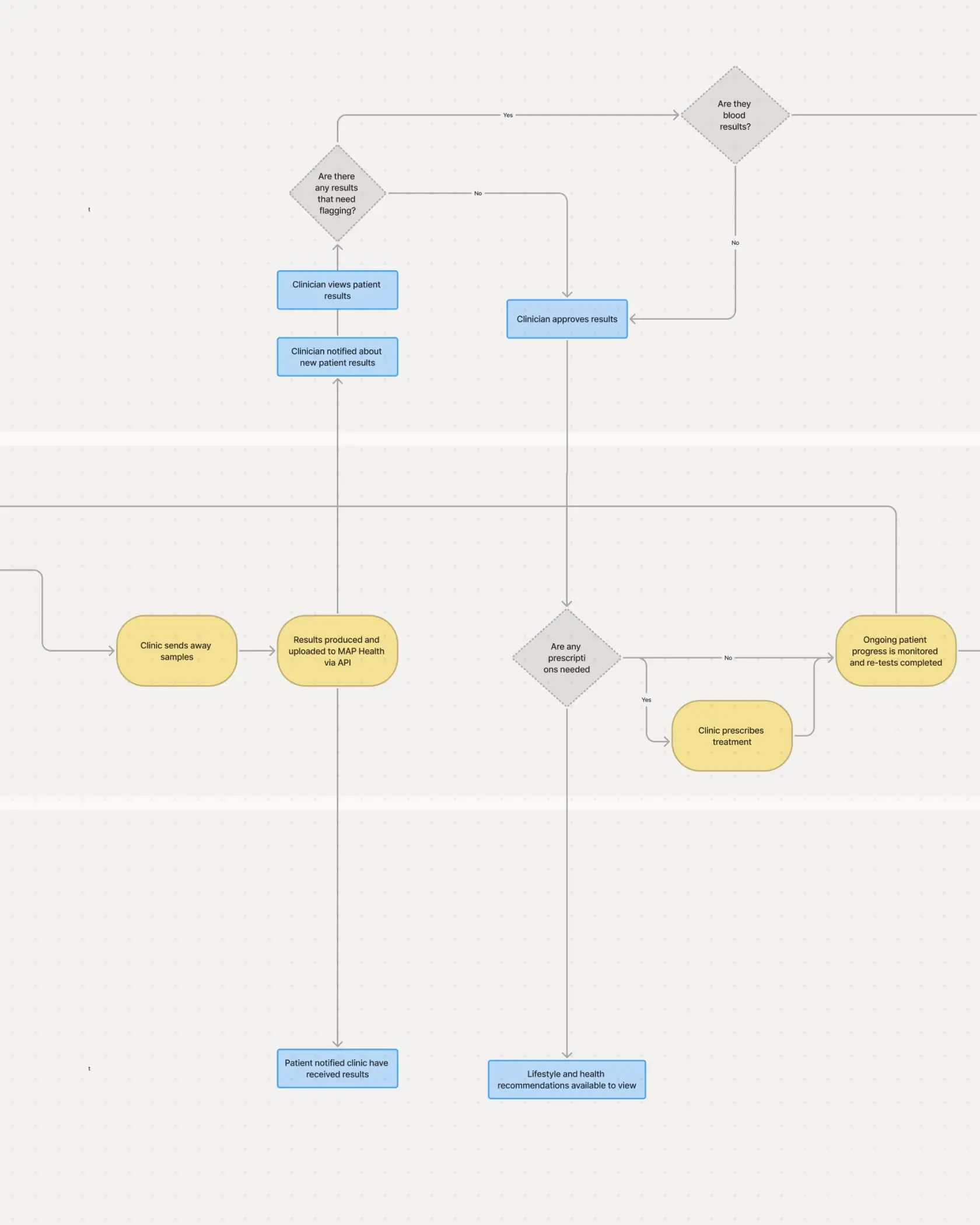
Complex user journeys we mapped for a client.
Insight #2
Many academic founders create technology "in search of a market", developing complex solutions without validating a customer pain point. Without early discovery, teams risk building products with no real demand.
We guide teams through fast, evidence-driven discovery sprints that surface real customer pain points, test key assumptions, and size the market. By engaging potential users early, mapping direct and indirect competitors, and validating willingness to adopt, we pinpoint the segments with the highest commercial potential. The result is a clear, data-backed roadmap for building a product that customers actually want, and investors can confidently fund.
Proving that there is value and demand from users informs a focused business model, and channels scarce R&D funding into products with proven commercial pull.

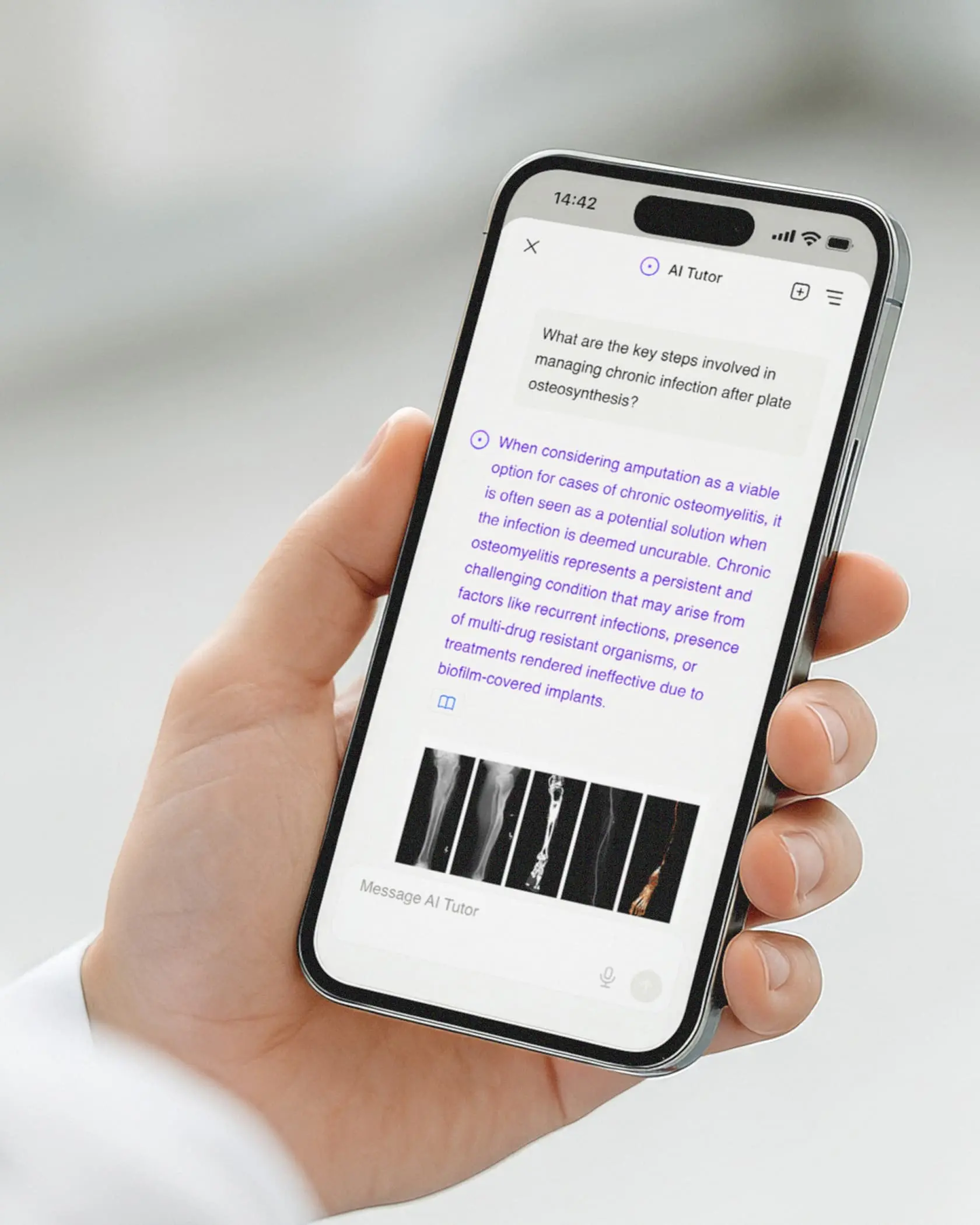
A new modern, intuitive tool for surgeons, designed for AO Foundation.
Insight #3
Investors and grant bodies now expect clear evidence that real users will adopt the product before committing capital. A breakthrough technology without demonstrated market demand, or proof that people can and will sign up, often stalls in due diligence.
We combine discovery research, clickable prototypes, and early usability testing to validate three essentials of viability: desirability (users want it), feasibility (it can be built and scaled), and commercial potential (a path to revenue). We package these insights into investor-friendly deliverables that clearly articulate user value.
Concrete user evidence reduces perceived risk, accelerates funding decisions, and gives founders the credibility to move from concept to market with confidence.

The prototypes we've built have helped several clients prove product viability.
Insight #4
Academic founders often juggle teaching and research commitments with the time-intensive demands of a start-up. Many teams also lack commercial skills in product development, marketing, and regulatory strategy.
We deliver lean UX processes, evidence packs, and investor-ready prototypes that create traction even when founders are part-time. Our workshops also help identify and fill gaps in business strategy and expertise.
Balanced teams and validated concepts help attract commercial co-founders and give investors confidence that the venture can scale.
We've helped many founders working on time-intensive start-ups.
Insight #5
Many academic technologies, whether AI diagnostics, advanced materials platforms, or health-data dashboards, require users to perform unfamiliar or intricate tasks. Poorly designed flows, and slow onboarding can deter industry partners.
We simplify complexity by designing task-oriented interfaces with guided set-ups, inline help, and intelligent defaults. Our design systems ensure consistency across web and mobile, reducing training time and support costs.
Clear, predictable workflows accelerate adoption and user satisfaction when using the product or service, shortening the path to revenue.
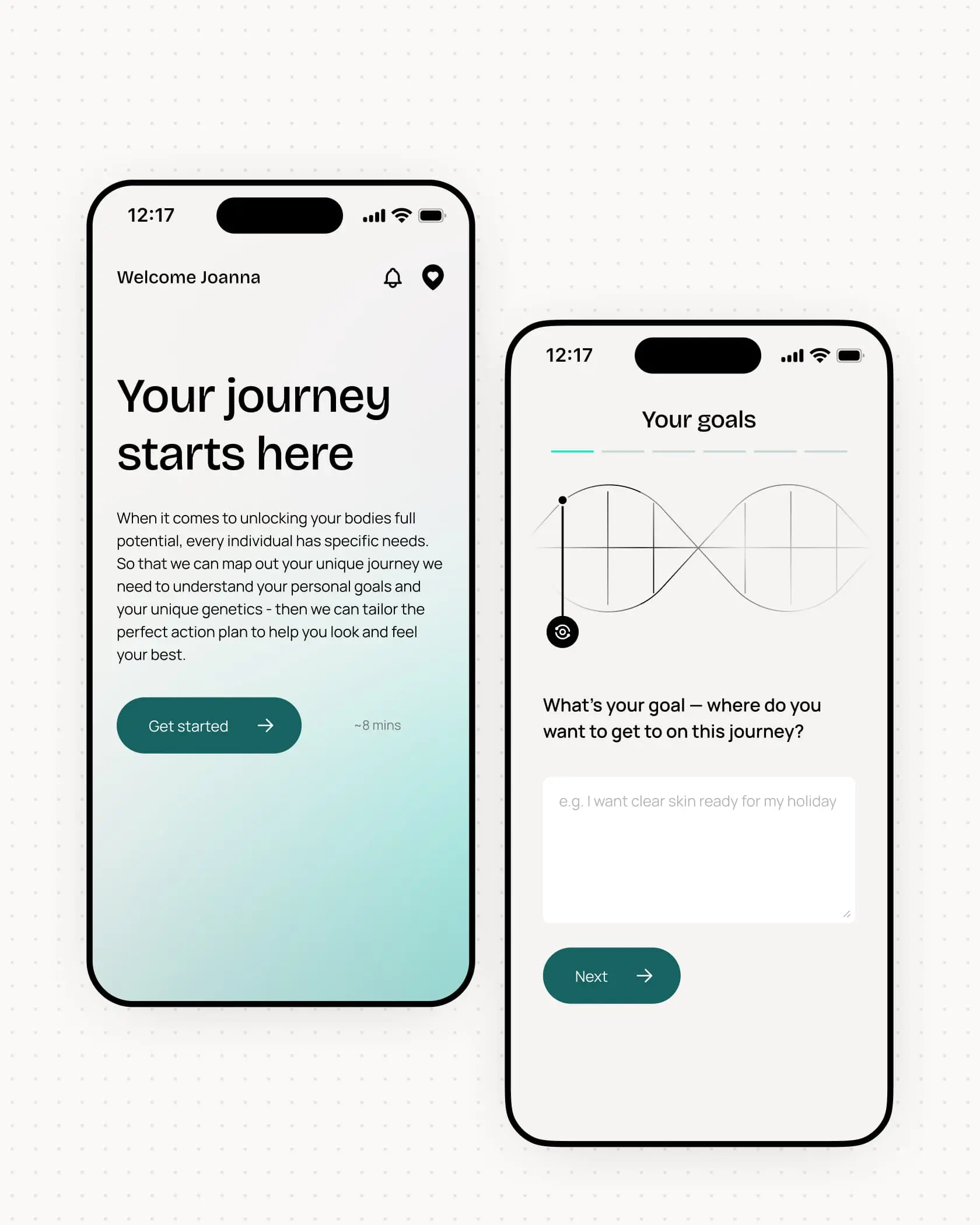
We love simplifying complex workflows into highly usable products.
Insight #6
Spin-outs often involve multiple stakeholders each with different priorities. For example, academic founders, technology transfer offices, external developers, and investors. Without a unified UX strategy, products accumulate inconsistent patterns, duplicate modules, and unclear ownership.
We facilitate cross-disciplinary workshops to align goals and establish one coherent experience, advocating for end users as well as positive business outcomes for the venture we're working on. This ensures every stakeholder can contribute without sacrificing usability.
A single, coherent experience builds trust with end-users and investors alike, positioning the product for scale.
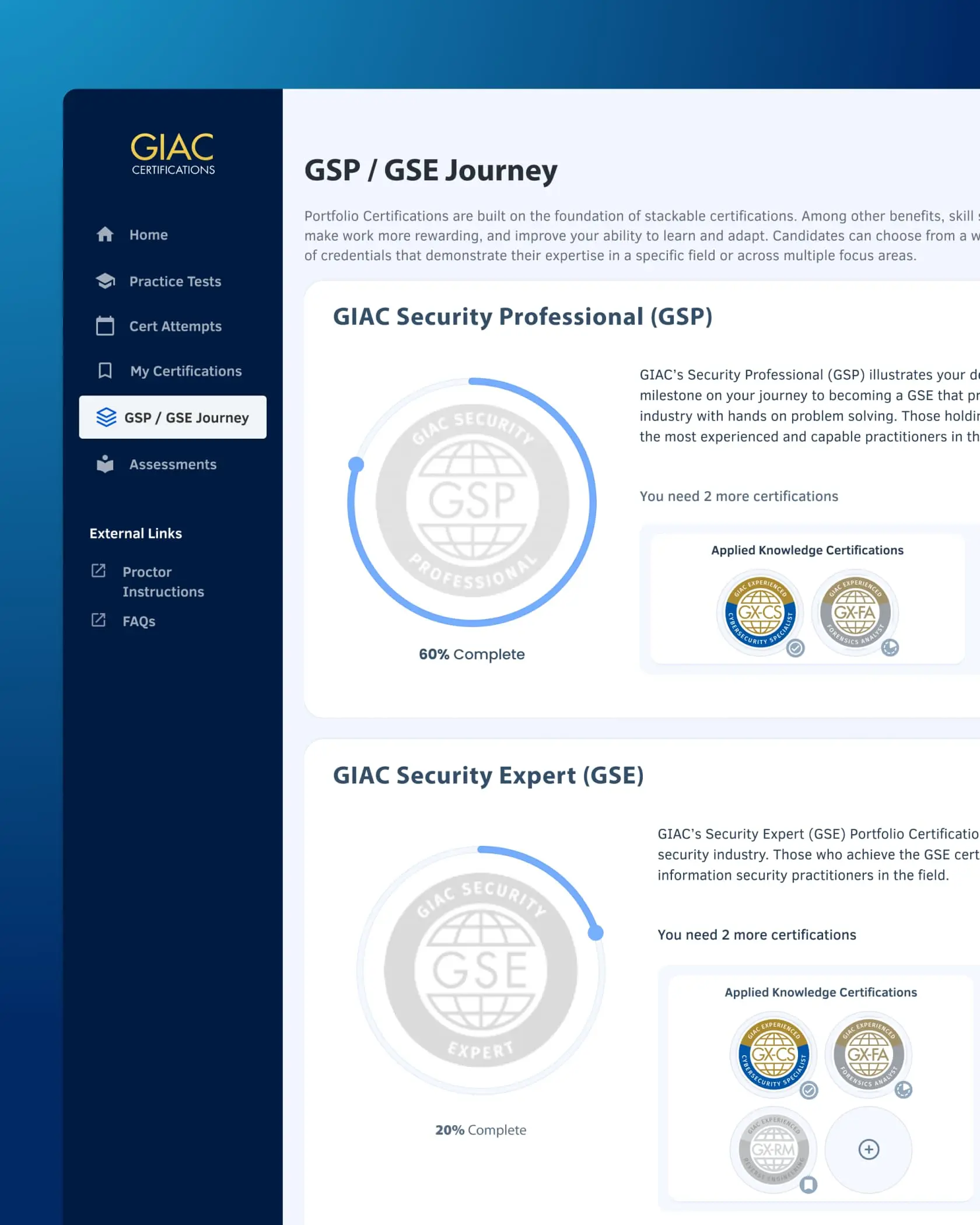
Many of our clients have multiple stakeholders.
Insight #7
Health, biotech, and AI spin-outs face strict regulatory requirements (GDPR, MHRA, NHS Digital). Poorly designed compliance workflows create errors, slow approvals, and increase legal risk.
We design guided flows with smart defaults, inline validation, and clear error messaging that teaches rather than blocks. This makes compliance seamless while maintaining user confidence.
Smooth compliance reduces costly delays and demonstrates professionalism to regulators and investors.
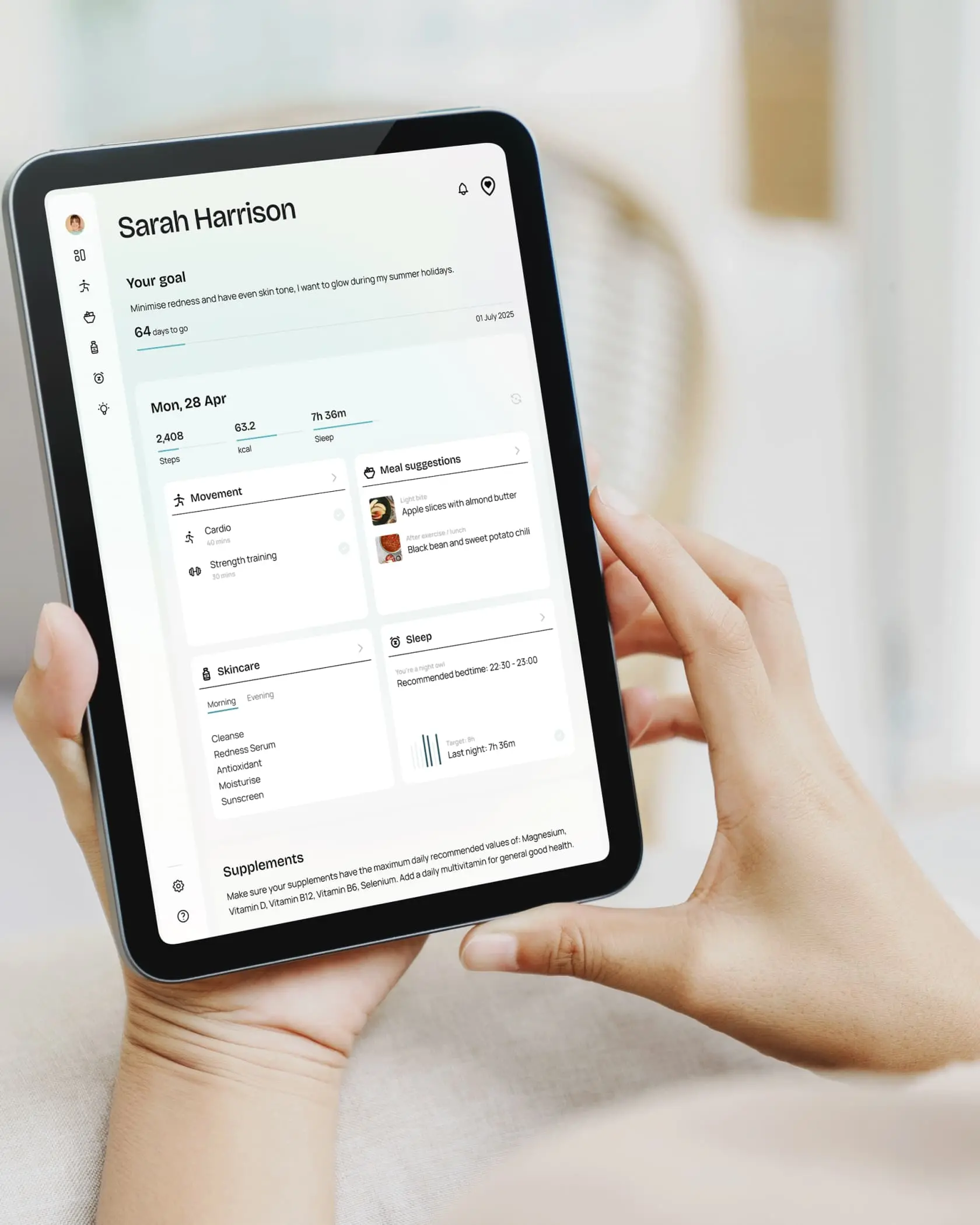
Designing compliance-ready products is a key part of the value we deliver.
Insight #8
Even successful pilots can falter when scaling to broader markets. Interfaces built for small research teams struggle with enterprise demands such as multi-user permissions, analytics dashboards, and mobile optimisation.
We plan for scale from the outset, designing modular architectures, responsive components, and data-driven dashboards that grow with the product.
Future-proof design reduces re-development costs, accelerates commercial partnerships, and increases long-term ROI.
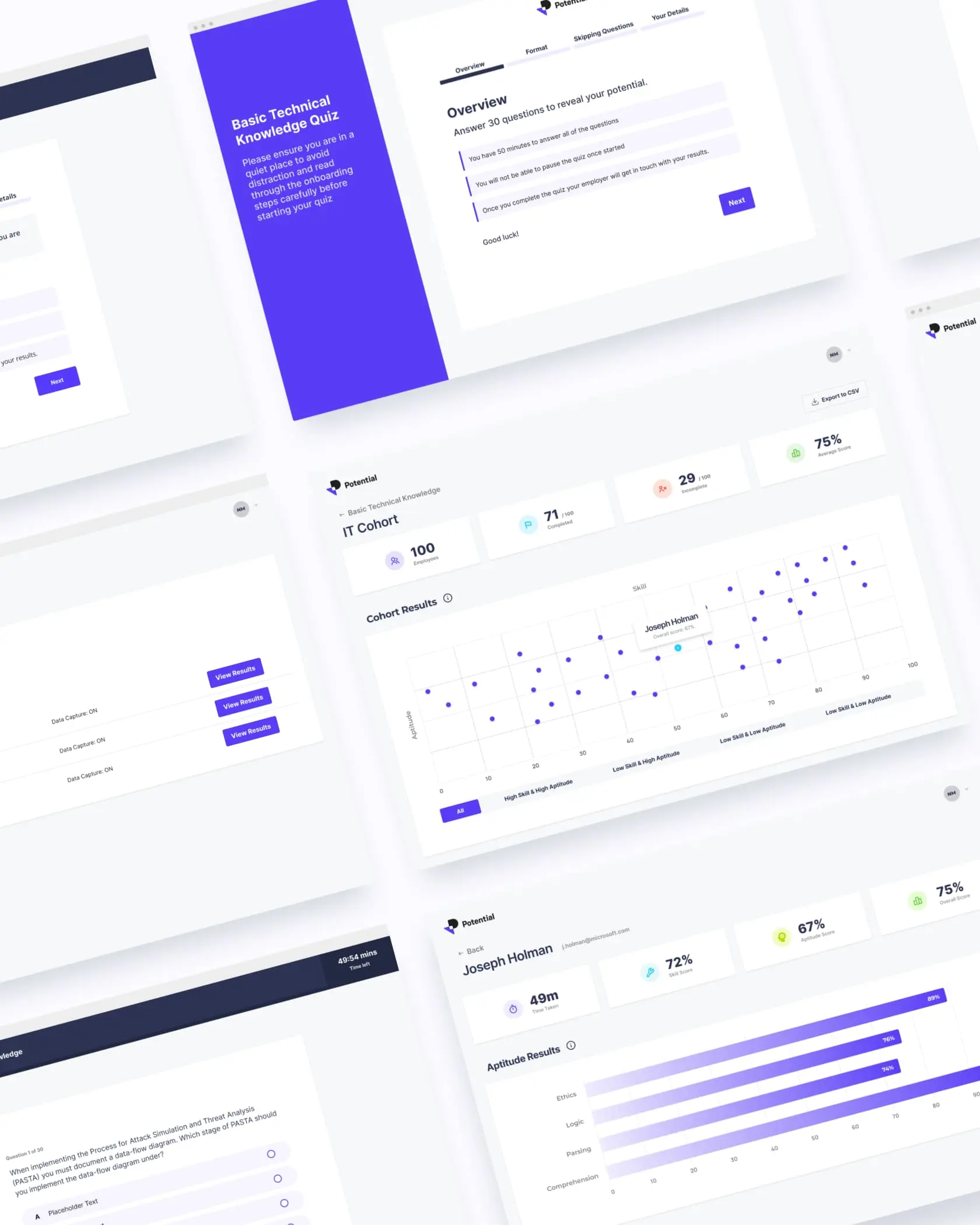
One of the many design-system-led products we've designed, this one was for a product incubator in the cyber security industry.
In a market where speed to proof and investor confidence determine success, user experience is no longer optional, it's a strategic advantage. Poor onboarding, confusing workflows, and outdated interfaces cost research teams adoption, funding, and impact.
Spinning Fox helps universities and their spin-outs transform complex academic breakthroughs into market-ready digital products that investors back and users love.
+44 (0) 7862 024 527

"Everyone on the Spinning Fox team is truly dedicated to their craft and passionate about user-centric design. They're an absolute pleasure to work with."
SANS Institute
 © Spinning Fox Ltd
